 Monitoring Labs While on Cellcept: What to Expect
Baseline Tests to Start Treatment Confidently
Starting Cellcept can feel daunting, but a clear set of baseline tests builds confidence. Before the first dose, clinicians usually order complete blood count, basic metabolic panel, liver enzymes, and pregnancy testing to establish safety. Screening for infections and immune status is next: hepatitis B and C, TB screening (IGRA or PPD), and viral serologies such as CMV or EBV when relevant. Vaccination history and HIV testing are also reviewed. These results guide dosing and highlight risks to monitor closely.
| Test | Why |
|---|
| CBC | bone marrow function |
| BMP | kidney electrolytes |
| Pregnancy | teratogenic risk |
| TB | latent infection |
| Hepatitis B/C | viral risk |
Bring current medication and allergy list.After baseline testing, your provider explains the plan: frequency of CBC and metabolic checks, infection precautions, and contraception counseling. Keep copies of results and report fevers or unusual symptoms promptly to your team right away.
Regular Cbc Checks: Watching White Cells and Platelets
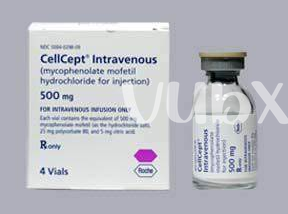
When you start cellcept, expect frequent blood draws initially—often weekly—because your white blood cells can drop. Neutrophils are the crucial defenders: if they drop too low, infection risk rises without symptoms. Labs follow the white count and differential, and your care team will watch trends not single values to decide whether to pause treatment or evaluate fever or sore throat. Platelets are checked too; a falling count increases bleeding risk and may trigger dose reduction or temporary hold. Report unusual bruising, pinpoint spots, nosebleeds, or prolonged bleeding right away. Keeping a calendar of lab dates and symptoms helps you and your clinician spot changes quickly, making the CBC a safety net while on therapy.
Kidney and Liver Labs: Why They Matter
Starting cellcept, your first labs map how your kidneys and liver are doing; blood creatinine, eGFR and liver enzymes give a baseline so changes from treatment are clear and actionable. Regular measurements detect trends: rising creatinine or falling eGFR suggest kidney stress, while ALT, AST or bilirubin elevations flag hepatic injury. Early detection prevents irreversible damage and guides care. Clinicians adjust doses, pause therapy, or investigate causes when labs shift. You may need more frequent checks during illness, dehydration, or when other drugs that affect organs are started. Report jaundice, dark urine, reduced urine output, severe fatigue or abdominal pain promptly. Open communication about symptoms and labs keeps treatment with cellcept safer and more effective.
Infection Monitoring: Spotting Signs before They Worsen
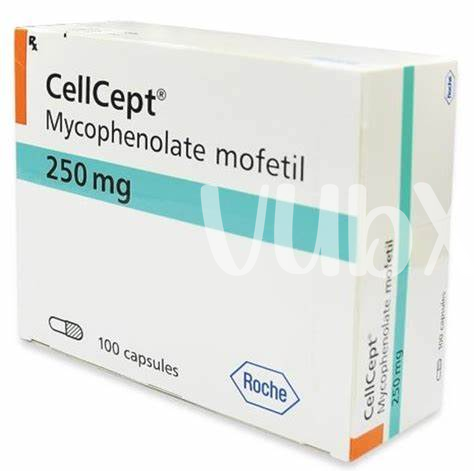
When I started cellcept, I was told to treat every small fever seriously. Early infection can begin as subtle symptoms — mild sore throat, cough, chills, toothache, or a new area of redness or pain. CBC helps detect low neutrophils that increase risk, but don’t wait for bloodwork: call your care team at the first worrying symptom for testing, cultures, or prompt antibiotics. Self-checks (temperature, skin inspection, urinary changes) plus scheduled lab monitoring form a safety net. If infection is suspected, providers order immediate CBC and cultures and may hold or adjust immunosuppression. Practice hygiene, avoid sick contacts, and follow guidance on nonlive vaccines. Rapid reporting and early treatment reduce complications and keep treatment on track.
Pregnancy Testing and Contraception: Strict Precautions Required
Standing in the clinic, the nurse’s checklist felt like a safety net: pregnancy testing before starting cellcept is nonnegotiable. Clear documentation, counseling, and understanding of teratogenic risks calm anxiety and protect future family plans today. For women of childbearing potential, monthly pregnancy tests continue throughout treatment. Dual contraception—usually two reliable methods—is advised, and emergency contraception options are reviewed. Providers document consent and reinforce ongoing pregnancy avoidance with reminders and support. Men and partners receive counseling too: although transmission risks are low, consistent condom use is often recommended during treatment and for a period after stopping cellcept. Open dialogue about pregnancy plans guides individualized timing decisions. If an unplanned pregnancy occurs, immediate notification of the prescribing team is critical. Stopping medication, prompt obstetric referral, and enrollment in exposure registries offer monitoring and support; counseling addresses emotional and medical implications and options.
| Action | When |
|---|
| Pregnancy test | Before starting and monthly |
Medication Interactions, Dose Changes, and Lab-driven Decisions
Early on, you and your clinician will treat labs like a conversation: trends guide changes more than single numbers. When counts fall or chemistry shifts, the plan often pauses, reduces, or pivots. Drug interactions matter: antibiotics, antivirals, and herbal supplements can alter exposure or increase toxicity. Expect periodic reviews of other medications to prevent surprises and preserve effectiveness. Lab-driven dose reductions are common and reversible; when counts recover, doses can be cautiously escalated. Clear communication and scheduled blood work keep treatment both safe and continuous. Ask about vaccination timing, antiviral prophylaxis, and fertility plans; labs often trigger those conversations. Having a medication list at each visit speeds decisions and reduces risk for complications, overall safety. FDA CellCept prescribing information
MedlinePlus: mycophenolate mofetil
|


