 Clomid Vs Letrozole: Choosing the Right Treatment
How Clomid and Letrozole Actually Work
She walked into the clinic curious how two simple pills could kickstart a cycle. One drug blocks estrogen receptors in the brain, tricking the hypothalamus into raising GnRH and downstream FSH/LH. The other reduces estrogen production by inhibiting aromatase, likewise lowering negative feedback to boost FSH. Both approaches aim to stimulate follicle growth, but they differ in duration and peripheral effects. The first’s longer tissue residence can thin uterine lining and affect cervical mucus; the aromatase inhibitor has a shorter half‑life and generally spares the endometrium. Clinically, this means patient history guides choice: women with polycystic ovary syndrome often respond better to the aromatase inhibitor, with lower rates of multiples and fewer anti‑estrogenic uterine effects. Prior nonresponse to one drug encourages switching to the other. Monitoring ensures correct timing; providers tailor selection based on side effects, goals, and testing history.
| Drug | Mechanism | Typical peripheral effect |
|---|
| Clomiphene | Estrogen receptor antagonist at hypothalamus | Possible thin endometrium, altered mucus |
| Letrozole | Aromatase inhibitor; lowers estrogen synthesis | Usually spares endometrium |
Comparing Success Rates: Who Gets Pregnant Faster
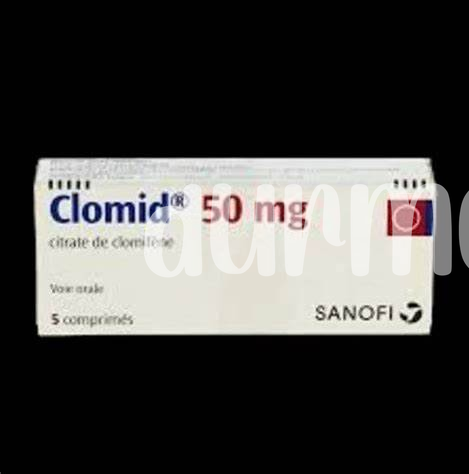
Anna and Mark felt the clock ticking as they began ovulation therapy. Clinicians commonly choose clomid or an aromatase inhibitor; trials—especially in women with PCOS—show that aromatase inhibitors often produce faster ovulation and higher live-birth rates than clomid, shortening the time to pregnancy for many couples. For individuals without clear ovulatory disorder, differences are smaller, and clinician preference, side-effect profile, and monitoring shape the choice. Shared decision-making matters with doctors. Clinically, clinicians try three to six cycles before changing strategy; many couples conceive within that window. Evidence suggests aromatase inhibitors often shorten time to pregnancy and yield higher live-birth rates in PCOS, while results in unexplained infertility are similar between drugs. Individual ovarian reserve, BMI, prior response predict who conceives faster. If ovulation or pregnancy doesn't occur, teams escalate to gonadotropins, intrauterine insemination, or IVF based on goals and tolerance.
Side Effects, Safety Concerns, and Long-term Risks
When patients start ovulation drugs they often juggle hope with worry. Common immediate effects include hot flashes, mood swings, bloating and temporary ovarian tenderness; clomid can also cause visual disturbances in a minority. Most symptoms are short-lived and manageable with supportive care. Serious complications are uncommon but deserve attention: ovarian hyperstimulation syndrome and multiple gestation raise maternal and fetal risks, while rare ovarian torsion requires prompt care. Data on long-term cancer risk are reassuring overall, though surveillance and shared decision-making remain important. Individualized plans balance effectiveness with safety: careful monitoring with ultrasound and hormone testing, limiting number of cycles, and prompt review of adverse signs reduce risk. For many people a fertility specialist will tailor dosing, assess underlying causes, and guide when to change approach so outcomes are optimized while minimizing harm. Discuss concerns and treatment options at each visit.
Fertility Monitoring, Dosing Schedules, and Timing

A hopeful couple tracks cycles like chapters in a book, noting basal temperature and ovulation tests while their clinician explains medication timing. Small daily measurements guide bigger decisions and monitoring. When prescribed clomid, typical courses run five days starting early in the cycle; doctors adjust dose based on ultrasound and hormone response to maximize follicle growth while minimizing multiple-pregnancy risk. Frequent ultrasounds and blood tests map follicle size and estradiol, helping decide whether to trigger ovulation or schedule IUI so timing aligns with peak fertility and optimism. Clinicians review results each cycle; if growth is inadequate or side effects occur, they escalate dose, switch protocols, or refer to reproductive endocrinology for tailored care and guidance.
Choosing for Different Diagnoses: Pcos Versus Unexplained
Facing infertility often feels personal; choosing treatment depends on diagnosis and history. For women with PCOS, ovulation induction is priority. Many start with clomid or letrozole; studies favor letrozole for higher live birth rates but individual factors matter. | Diagnosis | Choice | | PCOS | Letrozole | | Unexplained | Clomid or IUI | Decisions blend evidence with lived experience: ovarian morphology, insulin resistance, prior responses, partner factors, and tolerance guide choice. If one agent fails, clinicians often switch or add interventions such as IUI or metformin. Discuss risks, goals, and timing with a specialist to align treatment with values; personalized plans increase chances and reduce wasted cycles, turning uncertainty into a practical path forward, more confidently.
Practical Considerations: Cost, Access, and Combined Treatments
Many patients find price and accessibility decisive. Generic clomiphene is often inexpensive and widely available, while letrozole (also generic) can cost slightly more but is generally affordable; insurance coverage varies, and clinic visits for monitoring or ultrasound add to expense. Rural or resource-limited settings may favor the cheaper oral agent and shorter monitoring regimens, whereas specialty clinics can bundle costs into stimulation cycles. When single agents don't work, clinicians commonly layer treatments: adding metformin for insulin-resistant PCOS, timing intrauterine insemination to boost odds, or moving to gonadotropins if oral pills fail. Each addition raises success rates but also financial and safety trade-offs, so patients should weigh expected benefit, monitoring needs, and out-of-pocket cost with their provider before escalating therapy. Local pharmacy pricing, copays, and patient assistance programs can materially change choices—ask your clinic or pharmacist for cost-saving options and availability.
|


