 Lasix Interactions: Medicines and Foods to Avoid
Dangerous Drug Combinations That Amplify Diuretic Side Effects
I felt my heart race the first time my grandmother’s prescription list read like a chemistry experiment; mixing a loop diuretic with an ACE inhibitor or an NSAID can magnify dizziness and blood pressure drops, turning routine therapy into a risky balancing act. Combine diuretics with lithium, digoxin, or certain antibiotics and you may see dangerous electrolyte shifts, arrhythmias, or toxic drug levels. Discuss all medications with your clinician, including recent prescriptions and changes, so interactions are anticipated and monitored. If symptoms like fainting, severe weakness, or irregular heartbeat appear, stop and seek help immediately.
| Drug | Risk |
|---|
| NSAIDs | Reduced diuretic effect |
| Lithium | Increased toxicity risk |
| ACE inhibitors | Enhanced hypotension |
| Digoxin | Arrhythmia risk |
| Antibiotics | Electrolyte disturbances |
Medications That Worsen Dehydration and Electrolyte Disturbances
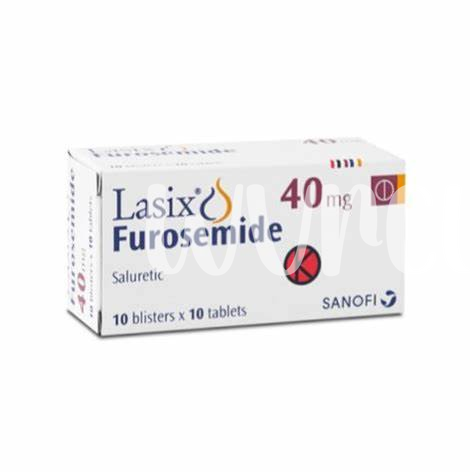
A patient once felt dizzy after adding an OTC pain reliever to their lasix routine; that lightheadedness exposes how easily combinations can tip the balance. NSAIDs blunt diuretic effect and raise risk of kidney injury; ACE inhibitors and ARBs can precipitate acute kidney changes or hyperkalemia when paired with aggressive natriuresis, and potassium sparing agents add hyperkalemia risk. Thiazide or loop combinations may intensify dehydration and hypokalemia, increasing digoxin toxicity or causing fainting. Lithium levels can rise with reduced sodium and cause toxicity. Monitor electrolytes and kidney function closely after starting or changing doses. Discuss all prescriptions and OTCs with your clinician; simple dose adjustments, spacing of medications, or extra labs often prevent serious harm.
Foods and Supplements That Interact with Loop Diuretics
I learned at a pharmacy counter that simple snacks can change how lasix works: salty processed foods blunt its effect, making fluid removal less effective, while alcohol and excessive caffeine heighten dehydration and dizziness. Hidden sodium in canned soups or chips can undo days of diuretic benefit. Potassium-rich items and supplements require balance: salt substitutes high in potassium, herbal licorice, and unmonitored potassium pills can unpredictably shift electrolytes. Work with your clinician to check levels before adding supplements, and favor whole foods over fad remedies to stay safe and hydrated.
Over-the-counter Remedies and Herbals to Avoid

When a friend reached for an herbal cleanse while taking lasix, I paused. Many common OTC remedies—stomach decongestants, NSAIDs sold without prescription—can blunt diuretic efficacy or spike blood pressure, turning mild side effects into serious problems. Natural laxatives and weight-loss supplements often contain stimulants that worsen dehydration and electrolyte loss. Combining them with loop diuretics can precipitate dizziness, fainting, or dangerous potassium imbalances requiring medical review. Herbal products like licorice, ginseng, and high-dose vitamin C may interact unpredictably, either reducing lasix effectiveness or amplifying side effects. Always check labels and tell your clinician about any plant-based remedies. Before starting or stopping any OTC medication or supplement, consult your pharmacist or prescriber. Simple swaps and timing adjustments often prevent harm. In emergencies—severe weakness, rapid heartbeat, confusion—seek urgent care, since fluid and electrolyte crises can escalate quickly and bring a medication list.
How Potassium and Sodium Intake Alter Drug Effectiveness
A careful balance of potassium and sodium shapes how loop diuretics work; even common meals can change drug response. Boosting potassium may blunt lasix induced potassium loss but can risk hyperkalemia with concurrent medicines. Low sodium can enhance diuresis and worsen blood pressure drops. | Intake | Effect |
|---|
| High potassium | Reduced K loss, hyperkalemia risk | | High sodium | Less diuretic effect, fluid retention |
Discuss diet with your clinician; monitoring labs prevents swings and tailors therapy safely. Regular blood tests, daily symptom tracking, and medication review keep outcomes safer for patients on long-term diuretics.
Signs of Dangerous Interactions and When to Seek Help
If you notice sudden lightheadedness, fainting, rapid heartbeat, severe muscle cramps, extreme weakness, confusion, or dizziness after starting or changing doses, these can signal dangerous interactions. Also watch for marked decrease in urine output, intense thirst, persistent vomiting or diarrhea, ringing in the ears, or sudden hearing loss—symptoms that suggest excessive fluid, electrolyte imbalance, or drug toxicity. Seek medical attention promptly for chest pain, fainting, difficulty breathing, fainting that won’t resolve, or an irregular heartbeat; call emergency services for severe signs. For less acute but concerning symptoms—persistent dizziness, muscle spasms, swelling, or altered mental status—contact your prescriber, bring a current medication list, and do not stop or change dosages without professional guidance without any delay.
|


