 Myths about Lopressor Debunked by Science
Lopressor Causes Erectile Dysfunction in All Men
A patient I once saw worried that his medication had stolen an intimate part of his life. Clinical studies, however, show the relationship is not straightforward: controlled trials often find small or inconsistent effects, and many men maintain normal function while taking beta blockers. Age, diabetes, and vascular disease are stronger predictors. Mechanisms proposed include reduced sympathetic tone and circulation changes, but these are modest and vary by individual and dose. Observational reports sometimes overstate causation because erectile problems are common in the same populations who take blood pressure medicine. Placebo and nocebo effects also influence patient reports. Management emphasizes assessment of other causes, dose review, and possible switch to an alternative agent when appropriate. Counseling, PDE5 inhibitors, and lifestyle changes often restore sexual function. Open timely dialogue between patient and clinician usually resolves concerns more effectively than abrupt discontinuation.
| Evidence | Implication |
|---|
| Randomized trials | Small or inconsistent effects on erectile function |
| Observational studies | Confounded by age, diabetes, vascular disease |
| Clinical practice | Assess, adjust dose, or change therapy; consider PDE5 inhibitors |
Lopressor Withdrawal Always Causes Dangerous Heart Rebound

When Mark skipped his morning dose, his heart felt oddly quick and he panicked — memories of alarming headlines about withdrawal rebound flooded his mind. Doctors see that fear often: patients worry they've invited a sudden, dangerous surge the moment they stop a beta blocker. Evidence shows abrupt cessation of drugs like lopressor can cause rebound increases in heart rate and blood pressure, particularly after long-term, high-dose use or in people with coronary disease. However, serious events are uncommon when discontinuation is managed properly. Best practice is gradual tapering under medical supervision, monitoring symptoms, and adjusting other medications rather than assuming every stop will trigger disaster. Talk with your doctor before changing doses or stopping treatment.
Lopressor Significantly Hurts Exercise Performance for Everyone
I once laced up my shoes for an early run, anxious a prescription would derail my stride. Clinical studies show beta blockers lower maximal heart rate and can reduce peak performance in fast, high intensity efforts. Elite competitors and those needing maximal output face greater impact, but laboratory results don't equal everyday experience. Yet effects vary: dose, fitness, and exercise type influence outcomes, and many recreational athletes notice minimal change. Talk with your doctor about lopressor adjustments, timing, or alternatives so you can pursue training safely with confidence and adaptability.
Lopressor Inevitably Causes Weight Gain for Patients
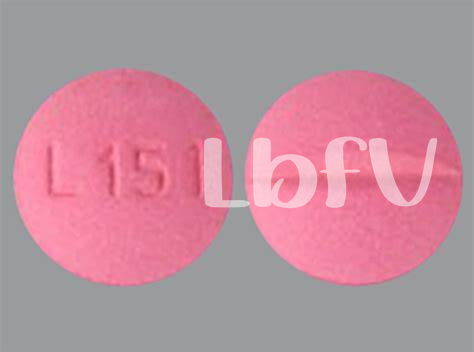
I used to blame my medication for every pound that appeared, until my clinician explained the evidence. In many trials lopressor (metoprolol) shows no consistent, clinically important weight gain when compared with placebo; modest changes are often due to lifestyle, fluid shifts, or concurrent drugs. Individual responses vary, but the drug alone rarely explains substantial, inevitable weight increase. Practical steps help: track weight, focus on diet and gentle activity, and review other medications with your provider. If weight change is a concern, clinicians can switch formulations or try alternative agents; monitoring and individualized care matter more than assuming a fixed outcome. Evidence favors nuanced discussion over blanket assumptions. Ask your prescriber for personalized guidance today.
Lopressor Unsafe for Asthma Patients under Any Circumstances
I remember a patient about breathing who assumed beta‑blockers worsened asthma. Research shows selective beta1 blockers like metoprolol (lopressor) are less likely to provoke bronchospasm than nonselective agents. Risk exists, but typical doses and careful monitoring reduce harm for many patients. Clinicians weigh benefits against airway sensitivity; inhaled bronchodilators remain primary rescue therapy. Guidelines recommend starting with cardioselective drugs at low doses and stopping if respiratory symptoms worsen. Communication between patient and provider ensures safer use and individualized decisions grounded in evidence with pulmonary follow-up visits.
Natural Alternatives Are Safer and Equally Effective
She swapped pills for teas and supplements after reading glowing testimonials, convinced medication was unnecessary. The relief of fewer side effects felt liberating, but her cardiologist’s calm questions about blood-pressure numbers and missed studies nudged a different conclusion: anecdotes aren’t evidence. Clinical trials and guideline reviews show lifestyle measures can reduce cardiovascular risk, yet they rarely match the controlled, predictable effects of prescription beta-blockers for many patients. Evidence supports exercise, DASH-style diets, weight loss and stress reduction as valuable adjuncts that lower blood pressure modestly. Some supplements (CoQ10, omega‑3s) show small benefits, but trials are limited and product quality varies. Natural does not equal harmless: herb–drug interactions and inconsistent dosing pose real risks. For many people the safest path combines proven lifestyle changes with prescribed therapy when indicated, under a clinician’s supervision rather than replacing it, and without regular monitoring.
|


