 Oseltamivir: Side Effects and Precautions
Oseltamivir: the Antiviral Flu Drug Explained
Oseltamivir, commonly known by its trade name Tamiflu, is a potent antiviral medication used to combat influenza A and B viruses. This prescription drug, or "script," works by inhibiting the activity of neuraminidase, an enzyme crucial for the virus to spread within the body. By blocking this enzyme, oseltamivir effectively reduces the severity and duration of flu symptoms, such as fever, cough, sore throat, runny nose, and body aches.
When taken within 48 hours of symptom onset, oseltamivir can significantly shorten the time spent feeling under the weather. It is also used as a preventative measure for those exposed to the flu, especially in high-risk populations like the elderly, young children, and individuals with compromised immune systems. While not a substitute for the annual flu vaccine, this antiviral drug serves as a valuable tool in managing influenza outbreaks and minimizing the impact of this common yet potentially dangerous illness.
| Age Group |
Recommended Dosage |
| Adults |
75 mg twice daily for 5 days |
| Children (weight-based) |
30-75 mg twice daily for 5 days |
Common Side Effects: Nausea, Vomiting, and Dizziness
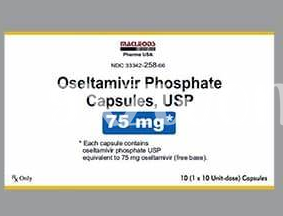
Oseltamivir, commonly known by its trade name Tamiflu, is an antiviral medication that can cause some pesky side effects. While it's a lifesaver for many during flu season, it's not uncommon for patients to feel a bit under the weather after taking it. Nausea, vomiting, and dizziness are the most frequently reported adverse reactions, making some folks feel like they're on a wild ride. These side effects can range from mild to severe, depending on the individual. Some people may only experience a slight queasy feeling, while others might find themselves hugging the porcelain throne. It's important to note that these symptoms usually subside within a day or two, but if they persist or worsen, it's time to give your doc a call. To minimize the risk of these unpleasant side effects, it's crucial to take oseltamivir exactly as prescribed. Follow the sig on the label, and don't exceed the recommended dosage. If you're prone to nausea, try taking the medication with food or a light snack. And if you're feeling dizzy, take it easy and avoid operating heavy machinery or engaging in activities that require a clear head.
Rare but Serious Reactions: Allergies and Skin Rashes
While oseltamivir is generally well-tolerated, some patients may experience rare but serious reactions, such as allergies and skin rashes. These reactions can manifest as hives, itching, or a red, swollen, blistered, or peeling skin. In severe cases, patients may develop a condition called Stevens-Johnson Syndrome, which requires immediate medical attention. It's crucial for patients to be aware of these potential side effects and to seek medical help stat if they notice any signs of an allergic reaction or unusual skin changes. Before starting treatment with oseltamivir, patients should inform their healthcare provider about any pre-existing allergies or skin conditions. Those with a history of allergic reactions to similar medications or any of the ingredients in oseltamivir should be particularly cautious. Healthcare professionals will carefully review the patient's medical history and weigh the benefits against the risks before writing a script for the medication. By being proactive and communicative, patients and their healthcare team can work together to minimize the occurrence of these rare but serious reactions.
Neuropsychiatric Effects: Confusion, Delirium, and Abnormal Behavior

While oseltamivir is generally well-tolerated, it can occasionally cause concerning neuropsychiatric effects. Some patients may experience confusion, delirium, or abnormal behavior while taking this antiviral medication. These side effects are more common in children and adolescents, but can occur in adults as well. In rare cases, these neuropsychiatric reactions can be severe, leading to self-injury or even suicide attempts. It's crucial for healthcare providers and caregivers to closely monitor patients for any signs of mental status changes or unusual behavior during treatment. If neuropsychiatric symptoms do occur, it's essential to seek medical attention stat. In some cases, discontinuing oseltamivir may be necessary to resolve these side effects. However, the decision to stop treatment should be made carefully, weighing the risks and benefits. Patients with pre-existing mental health conditions or a history of neuropsychiatric disorders may be at higher risk for these adverse reactions and should be monitored particularly closely. Open communication between patients, caregivers, and healthcare providers is key to identifying and managing these potential side effects effectively.
Drug Interactions and Contraindications to Consider
When taking oseltamivir, it's crucial to be aware of potential drug interactions and contraindications. This antiviral flu medication can interact with other drugs, leading to adverse effects or reduced efficacy. For instance, oseltamivir may interact with certain antibiotics, antidepressants, and even some over-the-counter (OTC) medications. It's essential to inform your healthcare provider about all the meds you're taking, including supplements and herbal remedies, to avoid any potential complications.
Moreover, oseltamivir is contraindicated in individuals with known allergies to the drug or its components. If you have a history of allergic reactions to similar medications, it's important to discuss this with your doctor before starting treatment. Additionally, people with certain medical conditions, such as kidney disease or liver impairment, may require dose adjustments or special monitoring while taking oseltamivir. Pregnant and breastfeeding women should also exercise caution when considering oseltamivir treatment. While the drug is generally considered safe during pregnancy, it's crucial to weigh the potential risks and benefits with your healthcare provider. In some cases, your doctor may recommend alternative treatments or suggest waiting until after delivery to start the medication.
| Drug Class |
Potential Interaction |
| Antibiotics |
Reduced efficacy of oseltamivir |
| Antidepressants |
Increased risk of side effects |
| OTC medications |
Potential for adverse reactions |
To ensure the safe and effective use of oseltamivir, always follow your healthcare provider's instructions and report any unusual symptoms or side effects. By being proactive and informed about potential drug interactions and contraindications, you can minimize the risk of complications and optimize your treatment outcomes. Remember, when it comes to your health, it's always better to err on the side of caution and seek professional guidance whenever needed.
Proper Dosage and Duration of Treatment
Oseltamivir, commonly known by its trade name Tamiflu, is typically prescribed as a 75mg capsule taken twice daily for five days. However, dosage may vary based on factors such as age, weight, and kidney function. It's crucial to follow the sig provided by your healthcare provider and complete the full course of treatment, even if symptoms improve earlier. Skipping doses or stopping prematurely may lead to a resurgence of the flu virus and increase the risk of developing drug-resistant strains. For those unable to swallow capsules, oseltamivir is also available as an oral suspension. The liquid form is particularly useful for young children and individuals with swallowing difficulties. It's essential to shake the suspension well before each use to ensure an accurate dose. If you miss a dose, take it as soon as you remember, unless it's close to the time for your next scheduled dose. In that case, skip the missed dose and resume your regular dosing schedule. While oseltamivir is generally well-tolerated, some patients may experience side effects like nausea, vomiting, or dizziness. These reactions are usually mild and can be managed with over-the-counter remedies. However, if you experience any severe or persistent side effects, contact your healthcare provider stat. They may need to adjust your treatment plan or recommend alternative therapies. It's worth noting that oseltamivir is most effective when started within 48 hours of flu symptom onset. Delaying treatment beyond this window may reduce the drug's efficacy and prolong your recovery time. If you suspect you have the flu, don't hesitate to reach out to your healthcare provider for guidance. They can assess your condition and determine if oseltamivir or another antiviral medication is appropriate for your situation. CDC - What You Should Know About Flu Antiviral Drugs Oseltamivir: A review of its use in influenza
|


