 Rybelsus Vs Ozempic Oral Versus Injectable Comparison
How Rybelsus Works: Oral Mechanism Explained
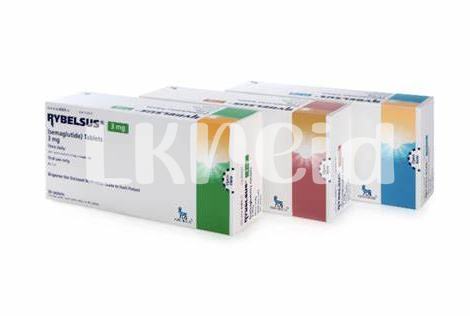
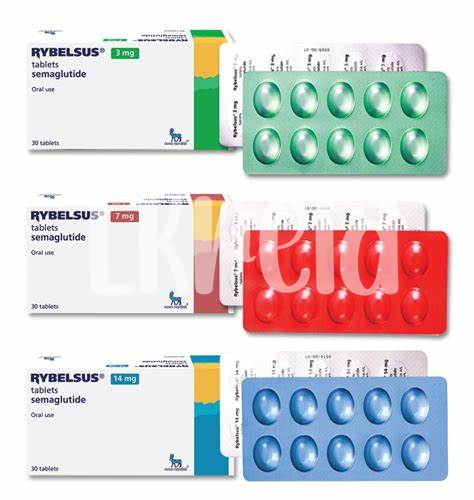
Imagine swallowing a molecule that survives stomach acid to act like a gut hormone. Rybelsus uses semaglutide formulated with absorption enhancers, enabling it to reach circulation and mimic GLP-1 signals controlling appetite and insulin release. It's paired with an absorption booster that transiently opens pathways across the intestinal lining. This clever vehicle avoids injection by protecting semaglutide long enough for measurable uptake and cellular engagement at GLP-1 receptors. Once bound, the drug amplifies insulin secretion when glucose is high, slows gastric emptying, and reduces hunger signals. Clinical effects include lower fasting and postprandial glucose and modest weight loss through reduced caloric intake. For patients, this means an oral GLP-1 option with dosing instructions, fasting, limited liquids and waiting before eating to maximize absorption. Physicians balance convenience against individual response, tolerability, and clinical goals when recommending therapy and monitoring patient progress.
Ozempic Injection: Mechanism, Dosing, Patient Experience
A once-weekly injectable GLP-1 receptor agonist, Ozempic mimics incretin hormones to boost insulin, suppress glucagon and slow gastric emptying, which lowers fasting and postprandial glucose. Dosing starts low to reduce nausea — typically 0.25 mg weekly for four weeks, escalating to 0.5 mg and sometimes 1 mg depending on response and tolerance; clinicians individualize schedules and monitor kidney function and concurrent drugs. For patients who prefer oral therapy, rybelsus offers a daily semaglutide option but with different absorption and dosing considerations. Many patients report gradual weight loss and improved energy, though early nausea or injection-site reactions are common and often transient; nurses teach pen use, storage, and troubleshooting, which significantly improves confidence, adherence, and real-world outcomes.
Efficacy Comparison: Blood Sugar and Weight Outcomes
Patients often ask whether the pill version can match injectables. In clinical trials, rybelsus (oral semaglutide) improves HbA1c substantially, typically lowering levels by around 1% to 1.3% versus placebo, and produces modest weight loss. The injectable semaglutide formulations usually deliver larger average reductions in both glucose and body weight, particularly at higher weekly doses, because they achieve more consistent exposure. In practice, differences vary by starting glycemia, dose and adherence: some people reach comparable control on rybelsus, while others need the injectable to hit tighter targets or pursue greater weight loss. Side effect profiles are similar, so choice often hinges on how much additional efficacy is needed, patient preference for oral versus weekly injection, and shared decision making with clinicians. Real world outcomes also depend on lifestyle changes, concomitant medications, and individualized goals, so numerical differences are one important consideration.
Side Effects, Safety Profiles and Long Term Risks
When patients start therapy, they often notice immediate digestive changes; nausea and mild stomach upset are common with GLP‑1 treatments, including rybelsus, but usually lessen over weeks. Injection users may report injection‑site reactions or transient fatigue, while oral users face unique absorption issues and must follow specific dosing rules for best effect. Serious events are rare; however pancreatitis and thyroid C‑cell tumors appeared in animal studies, prompting monitoring recommendations and cautious use in high‑risk patients. Long-term data are growing, so clinicians balance metabolic benefits against potential risks, tailoring choice through shared decision‑making and regular follow‑up. Insurance coverage, cost and patient preference often influence adherence and should be discussed before initiating therapy with realistic expectations and monitoring.
Convenience, Adherence, Cost: Real World Patient Practicalities
Morning rituals shape medication habits. For some, taking rybelsus first thing on an empty stomach with a waiting period before breakfast integrates into a calm ritual; others find the timing restrictive. Practical tips like setting phone reminders or pairing the dose with a habitual activity improve consistency. Injectable therapies shift the burden: weekly doses remove daily timing constraints but introduce injection technique, sharps disposal, and cold-chain storage concerns. Many patients appreciate fewer dosing events and reduced daily thinking, yet travel planning and brief clinic education sessions can affect initiation, confidence, and long-term adherence. Out-of-pocket cost, insurance coverage, and prior authorization often decide access. Co-pay assistance, manufacturer savings, and formulary placement influence affordability, while perceived ease of use and side effect experiences determine whether patients persist. Discussing practical barriers openly helps clinicians and patients choose a sustainable plan for long-term adherence.
| Form | Practical note |
|---|
| Oral (rybelsus) | Daily fasting dose; easier travel; strict timing |
| Injectable | Weekly dosing; injection skills, storage and disposal |
Choosing between Them: Provider Guidance and Considerations
Clinicians assess patient goals, comorbidities, and treatment preferences, weighing oral convenience against injection potency. Shared decision-making clarifies expectations about HbA1c reduction, weight loss potential, tolerability, and long term safety considerations. For those prioritizing maximal glycemic and weight benefits, injectables often outperform oral agents, but gastrointestinal effects, renal function, and pancreatitis history must guide selection and monitoring strategies in routine practice. Practicalities matter: injection technique training, cold chain storage, insurance coverage, and out of pocket costs shape adherence. Regular follow up allows dose adjustments, side effect management, and timely therapy changes.
|


