 A Parent’s Guide to Singulair for Children
Understanding What Singulair Is and Its Uses
Singulair, known by its trade name Montelukast, is an Rx typically prescribed to manage asthma and allergy symptoms. This medication, taken once nightly, can help reduce inflammation and prevent bronchoconstriction in children who suffer from chronic respiratory issues. As a parent, it's essential to understand that Singulair isn't just a 'happy pill' for mood but plays a significant role in improving your child’s day-to-day breathing and overall quality of life. While generics of Singulair are available, always consult with your pediatrician before making any changes.
| Term |
Meaning |
| Rx |
Prescription |
| Happy Pill |
Antidepressant or mood enhancer |
| Generic |
Non-brand medication |
When and Why Children Might Need Singulair
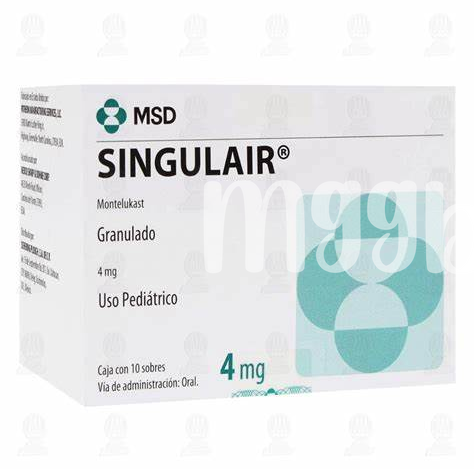
Children might need Singulair primarily for managing asthma symptoms or allergic rhinitis. Asthma can be particularly challenging for kids, affecting their daily activities from play to sleep. Singulair, a trade name for the drug montelukast, helps by reducing inflammation in the airways, making it easier for children to breathe and reducing the frequency of asthma attacks. Beyond asthma, Singulair is also prescribed for allergic rhinitis, which includes symptoms like a runny nose, sneezing, and congestion. These symptoms can make it difficult for children to focus at school or enjoy outdoor activities. A doctor might write an Rx for Singulair when traditional medications don’t provide sufficient relief. If Singulair is recommended, a key factor is its ability to control chronic symptoms without the daily hassle of multiple medications. However, like any medication, it’s important to discuss potential side effects and any concerns with your child’s doctor. This approach ensures Singulair is the right fit and that the prescribed Sig aligns with your child’s needs.
How to Properly Administer Singulair to Kids
Administering Singulair to kids requires a blend of precision and care. First, it’s crucial to follow the Sig provided by your child's doctor to ensure the correct dosage. Singulair comes in different forms, such as chewable tablets and oral granules, making it easier for children to take. If your child is prescribed chewable tablets, make sure they chew them thoroughly before swallowing. For oral granules, these can be mixed with a spoonful of applesauce or mashed carrots but should be given stat, within 15 minutes of opening the packet, to maintain efficacy. Monitoring your child during and after administering Singulair is essential to ensure they don’t have any adverse reactions. Using a medicine tracker or setting reminders can make administration seamless. For younger children, making this a part of their routine can turn it into a less daunting process. If you have any questions about the medication, don’t hesitate to get in touch with your pharmacist through the Drive-Thru or make an appointment with your doctor. Clear communication with healthcare providers will help ensure that Singulair serves its intended purpose effectively and safely.
Common Side Effects and What to Watch for
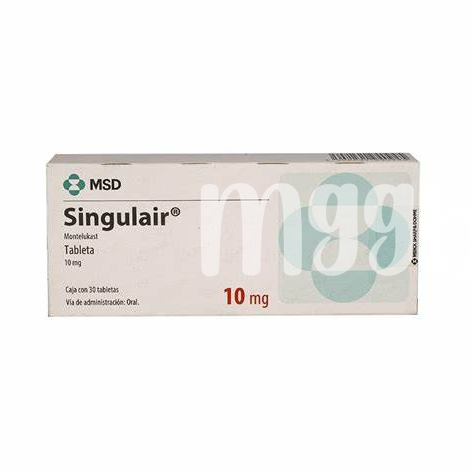
While Singulair is generally well-tolerated, it’s crucial for parents to be aware of common side effects. Some kids might experience headaches, stomach pain, or think they've caught a cold. A few may notice mood changes, such as irritability or agitation. Since these reactions can vary, keep an eye out for any unusual behavior and report it stat to your candyman. In rare instances, Singulair might cause severe reactions like allergic symptoms or mental health changes, including anxiety or depression. Always follow the sig on the Rx and consult your doctor if you notice any concerning changes. Timely intervention can mitigate severe reactions, ensuring your child's well-being.
Tips for Discussing Singulair with Your Child’s Doctor
When discussing Singulair with your child's doctor, it's essential to ask about both the benefits and potential side effects. Consider asking if your child can expect any short-term or long-term effects and what to do if they experience any. Inquire about Sig, which are the specific directions on a prescription, to ensure you're administering it correctly. Discuss any other medications your child is taking to avoid adverse interactions, especially with other meds. It's also important to ask when and how frequently you should monitor your child for any side effects after starting Singulair. Don't hesitate to ask for a hard copy of the Rx so you can accurately recall all the necessary information. Additionally, ask about lifestyle changes or complementary treatments that may work alongside Singulair. This way, you have a holistic approach to managing your child's condition.
| Discussion Points |
Details |
| Benefits and Side Effects |
Ask about short-term and long-term effects |
| Specific Directions (Sig) |
Ensure correct administration and avoid adverse interactions |
| Monitoring |
Know when and how to observe side effects |
| Additional Information |
Request a hard copy of the prescription for reference |
| Complementary Treatments |
Discuss lifestyle changes and complementary treatments |
Alternative Treatments and Lifestyle Changes to Consider
Exploring alternative treatments and lifestyle changes can be a valuable part of managing your child's condition. Some children find relief through natural supplements, which can sometimes be a beneficial addition to their regular regimen. Consult with a healthcare provider before making any changes to ensure they blend well with the current script. Incorporating a healthier diet and regular exercise into your child's routine can improve overall well-being and potentially reduce the need for medications. Simple changes like more fresh fruits, vegetables, and whole grains can make a significant difference. Lastly, managing environmental triggers such as allergens or smoke can help lessen symptoms. Keep your home clean and free from common triggers; sometimes, these adjustments can be as effective as meds On the Counter.
|


