 Proper Symbicort Inhaler Technique: Step-by-step Guide
Get Your Symbicort Ready: Shake and Check
You hold the inhaler like a trusted tool, ready for quick relief. Before every use, shake the canister for about five seconds so the medication mixes evenly. Take off the cap and check the mouthpiece visually. Remove any lint or residue and make sure the plastic is dry; a clogged opening can disrupt spray flow. If the inhaler is brand new or hasn’t been used for several days, prime it by firing a test spray away from your face. Verify the dose counter when available. Make a habit of these simple checks before each puff. Proper shaking and inspection improve dosing consistency and confidence during an attack. Keep a reminder in your routine or app.
| Step | Tip |
|---|
| Shake | About 5 seconds |
| Check | Mouthpiece clear |
Perfect Your Grip and Mouthpiece Positioning

I hold the device with calm intention, thumb beneath the canister and index finger poised above, feeling how a steady grip promises a steady dose. Keep shoulders relaxed to avoid tension that can disrupt your aim. Bring the mouthpiece to your lips, sealing them around it; keep your tongue flat and avoid covering the opening, which can redirect medication away from the airway. If you wear dentures, ensure they are secure before inhaling comfortably. Stand or sit upright, tilt your chin slightly, and aim the mouthpiece so the spray travels straight back — practice in a mirror until positioning becomes natural for consistent, effective use of your symbicort inhaler. Support the canister to steady the release.
Master the Breath: Slow Deep Inhale Technique
Picture a calm moment before relief: exhale gently to empty your lungs, then seal your lips around the mouthpiece. Breathe in slowly and steadily, drawing the medication deep into your airways. Using diaphragmatic power prevents shallow inhalation and improves symbicort inhaler delivery for best effect. Try a slow count of four to six seconds while inhaling; maintain a steady flow without gasping. If you cough, pause and repeat after a full exhale. Practice calmly between doses to build confidence, ensuring each inhalation reaches deep airways where medication works most effectively.
Coordinate Actuation with Inhalation for Optimal Delivery
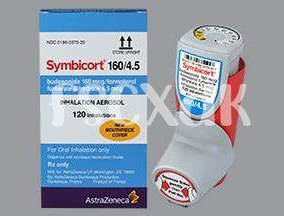
Imagine standing at the bedside of a restless night, holding your symbicort inhaler like a small lifeline. Breathe out fully, then place the mouthpiece gently between your lips; feel the cool plastic and know the medicine waits. As you begin a slow, deep inhalation, press the canister once and smoothly — timing is everything. A single confident actuation during that steady in-breath sends medication deep into the airways where it can work. After the actuation, continue that slow inhale for a second to carry droplets deeper. If a second puff is prescribed, wait about thirty seconds and breathe normally before repeating to reduce oropharyngeal deposition. Practice this rhythm until it feels natural; confidence improves delivery and reduces waste. For children or anyone new to the device, try a relaxed, calm counting technique to synchronize the press and the breath reliably.
Hold Your Breath: Timing and Release Guidance
You'll feel the medicine settle when you pause after inhaling; a calm, quiet count helps. Aim for a measured hold so particles reach small airways and work effectively. For most adults, hold around ten seconds or as long as comfortable. If ten seconds feels impossible, try five to seven seconds and build up gradually. Use a timer or count silently. Avoid coughing or exhaling forcefully during the hold; gentle stillness improves delivery. After releasing, breathe out slowly through your nose and resume normal breathing. With your symbicort inhaler, consistent timing improves delivery; practice until it's natural.
| Hold | Tip |
|---|
| 10 seconds | Relax and count slowly to ten | | 5 to 7 seconds | Start shorter, build up gradually |
Clean, Store Properly, and Know Replacement Signs
I learned early that a clean inhaler feels like a trusted companion: wipe the mouthpiece weekly with a damp cloth, remove the canister before rinsing the plastic actuator under warm running water, and let both parts air‑dry completely before reassembling. Never soak the metal canister or use solvents; avoid cotton swabs inside the spray nozzle. After drying, always test-spray once away from your face to ensure a clear mist. Store the device at room temperature, away from heat and direct sunlight, and keep the cap on to prevent dust buildup. Track doses using the counter or a calendar; replace the inhaler when the counter hits zero or if you notice decreased spray, clogging that won’t clear, dented canisters, or changes in taste or breathlessness after proper technique. When in doubt, consult your pharmacist, clinician, or caregiver for a safety check.
|


