 How Food Impacts Vibramycin Absorption and Effectiveness.
The Role of Food in Drug Absorption Dynamics
When you take a medication like Vibramycin, its journey through your body is influenced by what you have—or haven’t—eaten. The lining of your digestive tract acts as a complex gatekeeper, and the presence of food can alter how quickly or thoroughly a drug is absorbed into your bloodstream. Sometimes, a meal can slow the process, giving the body more time to break down the medication or, in contrast, can bind to it and block absorption altogether. Absorption dynamics play a vital role in treatment effectiveness. The timing, composition, and even temperature of food can help or hinder the medication’s entry into your system, ultimately impacting how well Vibramycin works.
| Factor |
Impact on Absorption |
| Empty Stomach |
Usually faster absorption |
| High-Fat Meal |
May delay but sometimes enhances absorption of certain drugs |
| Dairy Products |
Often bind to drugs and reduce absorption |
How Dairy Products Interfere with Vibramycin
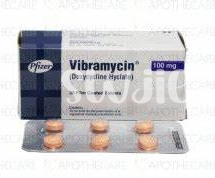
For many, enjoying a glass of milk with a meal is second nature. However, when taking vibramycin, it’s important to pause before reaching for dairy. Dairy products contain calcium that can bind to the medication in your stomach. This binding transforms vibramycin into complexes that are difficult for your body to absorb. As a result, the antibiotic’s effectiveness can drop, making treatment less successful. Being mindful of your dairy intake can help ensure vibramycin works as intended.
Timing Your Meals for Optimal Vibramycin Effect
Imagine you’ve just picked up your vibramycin prescription and want to make sure every dose works its best. The timing of your meals plays a surprisingly big role in how well your body absorbs this antibiotic. When taken with a full stomach, vibramycin may interact with food in your digestive tract, potentially reducing the amount your body actually takes in. For optimal results, many healthcare providers recommend taking vibramycin on an empty stomach—usually at least one hour before eating, or two hours after a meal. This window allows the medication to move rapidly into your system, increasing its effectiveness against infection. While the urge to eat may be strong, especially if you’re on a regular schedule, prioritizing the medication’s timing helps ensure you get the full benefit. If you ever experience stomach upset, speak with your healthcare provider about the best approach to balance comfort and efficacy.
Foods That Enhance or Reduce Medication Absorption
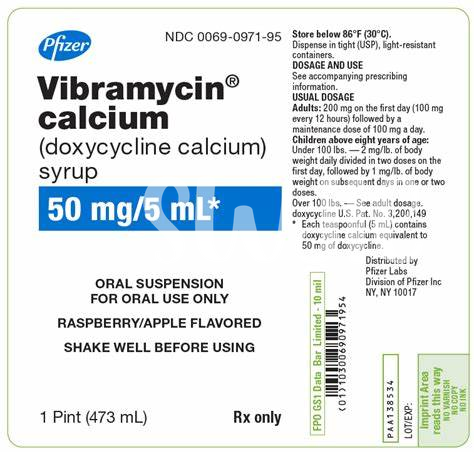
Did you know that the contents of your plate can dramatically alter how much Vibramycin your body actually absorbs? Certain foods and drinks can act like gatekeepers in your digestive system, either helping or hindering the medication’s journey to where it’s needed most. For example, fiber-rich meals and iron supplements can bind with Vibramycin, making it harder for your body to take in the medicine. Conversely, a light snack (that doesn’t contain dairy) may help reduce stomach upset, allowing you to tolerate Vibramycin without interfering with its absorption. Acidic foods, such as fruit juices, do not significantly impact Vibramycin, but highly fatty meals may delay its absorption, making it less predictable. Minerals found in foods like spinach and fortified cereals may seem healthy but can actually grab onto Vibramycin and drag it out of your system unused. To get the most from your medication, being mindful of these interactions can make a real difference in your treatment success.
Common Symptoms of Drug-food Interactions
When taking Vibramycin, some people may notice unusual reactions after eating certain foods. One common sign is stomach discomfort, often appearing as nausea or mild cramps. Sometimes, you might experience a metallic taste in your mouth or find that your medication isn’t working as expected. It’s easy to overlook subtle symptoms like headaches or changes in bowel habits, but these can also signal that food is interfering with your medication. Paying attention to how you feel can help you spot these warning signs early. The table below highlights a few typical symptoms and their possible causes:
| Symptom |
Possible Cause |
| Nausea |
Reduced drug absorption |
| Metallic taste |
Food-drug interaction |
| Headache |
Altered medication levels |
If you notice any of these effects, consulting your healthcare professional can help you adjust your approach and maintain Vibramycin’s effectiveness.
Practical Tips for Managing Vibramycin with Meals
Navigating Vibramycin alongside your meals doesn't have to be complicated, but timing truly makes all the difference. To maximize the medication’s effectiveness, aim to take it at least one hour before or two hours after eating, giving your body a clear window for optimal absorption. This becomes especially important when meals are rich in calcium or iron, as these can bind to the drug and reduce its effectiveness. Hydration is equally important—always swallow Vibramycin with a full glass of water. This not only ensures smooth passage through the digestive tract but also reduces the risk of irritation to your esophagus or stomach lining. Avoid lying down immediately after taking your dose, since this can heighten the risk of discomfort or reflux. Lastly, if you know you’ll be eating foods high in dairy or minerals during your day, plan your doses around those meals or snacks. Keeping track with a medication log or setting reminders on your phone can make this process simple and stress-free, empowering you to stay on schedule and get the best results from your prescription.
|


