A facelift, also called rhytidectomy, is performed to address loose or sagging skin of the face and neck. The goal is a more rested, refreshed, and often more youthful appearance by improving common aging concerns such as facial laxity, jowling, and changes along the neck and jawline.
At Cosmetic Surgery Specialists of Memphis, Dr. Peter Aldea and Dr. Patricia Eby provide facelift surgery with a focus on natural-looking improvement and careful surgical planning. Both surgeons are certified and re-certified by the American Board of Plastic Surgery and are proud members of professional societies including the American Society of Plastic Surgeons (ASPS). Their approach emphasizes individualized care and results that look like you, just more rested.
What A Facelift Can Address
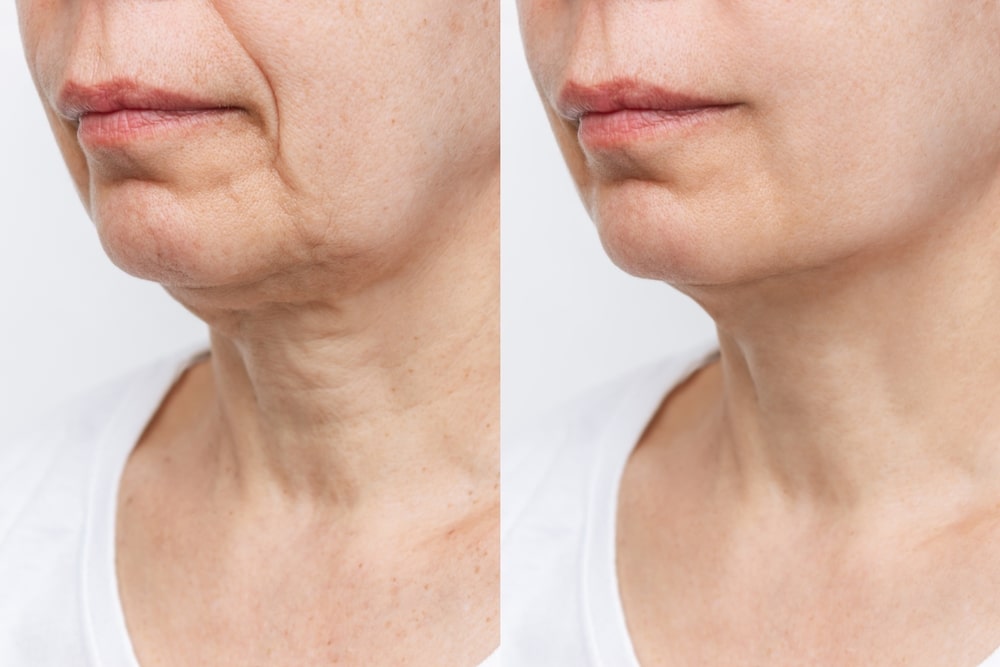
As people age, the effects of gravity, sun exposure, and the stresses of daily life can become more visible in the face. Common changes include deepening creases between the nose and the corners of the mouth, slackening of the jawline with more noticeable jowls, and folds or fat deposits around the neck.
A facelift can help improve these visible signs of aging by:
- Removing excess fat
- Tightening underlying tissues
- Re-draping facial and neck skin for a smoother appearance
A facelift may be performed alone or combined with other procedures such as a forehead lift, eyelid surgery, or nose reshaping.
How Facelift Surgery Is Performed
Facelift surgery is typically performed through an incision that begins in the hair near the temple, continues in front of the ear, around the earlobe, behind the ear, and into the hair. Through this incision, the skin is separated from underlying tissue. The deeper sagging tissue is then tightened, the skin is re-draped, excess skin is removed, and a smoother appearance is achieved.
If there is loose skin and excess tissue under the chin, this may be addressed during the same procedure.
Anesthesia And Procedure Setting
A facelift is usually performed as an outpatient procedure. It may be done under local anesthesia with sedation or under general anesthesia. Depending on the extent of skin laxity and whether additional procedures are combined, surgery may take several hours.
Minimal Vs More Extensive Facelifts
Minimal facelifts can be performed more quickly and with less risk, but the degree of correction may also be more limited. More extensive techniques may provide greater correction of aging changes, but can involve longer operating time, more risk, longer swelling, slower recovery, and greater cost.
Recovery After Facelift Surgery
The operation may be associated with temporary bruising, swelling, numbness, tenderness, and skin tightness. Many patients feel and look better surprisingly quickly, and despite being a larger procedure, there is usually very little pain.
Swelling often improves within a few days. Bruising is usually resolved by about two weeks, as are stitches. A sense of tightness and numbness may persist and gradually return to normal over several weeks. To support healing, patients may need to wear an elastic supportive garment briefly after surgery and limit sun exposure for several months.
Many patients return to work in about two weeks and resume more strenuous activities in about 3 to 4 weeks.
Risks And Potential Complications
Complications associated with facelift surgery may include infection, bleeding from cut tissues leading to bruising or possible blood accumulation under the skin, poor healing or wound separation (especially in smokers), raised scars, asymmetry, and either temporary or permanent injury to nerve branches that control facial expression muscles.
Important Things To Know About Results
A facelift tightens and repositions tissues, but it does not change the texture of the skin. Pre-existing issues such as acne scars, age spots, fine lines, and smoker’s creases may return to their original texture even if the skin is tightened. Chemical peels or other skin treatments are needed to change the nature of the skin itself.
After recovery, patients can expect a more rested and often more youthful appearance. However, aging continues and gravity begins pulling on tissues immediately after surgery. While results can last for many years, it is impossible to predict how long it will be before someone considers a second lift.
Why Choose Cosmetic Surgery Specialists Of Memphis For A Facelift?
Facelift surgery requires judgment, precision, and a careful balance between improvement and natural appearance. Dr. Aldea and Dr. Eby tailor each facelift approach to the individual, considering the degree of facial laxity, the neck and jawline changes, and whether combination procedures may be appropriate.
Patients value the experience of working with board-certified, re-certified plastic surgeons who emphasize individualized planning and a supportive, patient-focused process. The goal is a refreshed result that avoids an overdone look while addressing the areas that most affect how rested you appear.
Facelift Consultation In Memphis, TN
If you are considering facelift surgery, the best next step is a personalized consultation. To learn more about facelift options at Cosmetic Surgery Specialists of Memphis in Memphis, TN, call (901) 752-1412 to schedule a consultation.