
Gynecomastia, or enlarged breast tissue in men, is a common condition that can affect anyone—regardless of age or background. Often called “man boobs,” it occurs when hormonal changes, weight fluctuations, or certain medications cause excess glandular or fatty tissue to develop in the chest. Although harmless, gynecomastia can cause embarrassment or self-consciousness, especially in a culture that values a toned, masculine physique.
At Cosmetic Surgery Specialists of Memphis, board-certified and re-certified plastic surgeons Dr. Peter Aldea and Dr. Patricia Eby provide advanced treatment options for men seeking to restore a more natural, contoured chest. With training from prestigious institutions such as Columbia, Stanford, Duke, Georgetown, and Harvard, Drs. Aldea and Eby combine surgical precision with compassionate, patient-centered care to achieve results that look and feel natural.
Why Men Develop Gynecomastia
Men and women both produce testosterone and estrogen, but the balance between these hormones determines whether breast tissue grows. When testosterone decreases or estrogen increases, breast tissue may be stimulated to enlarge. This shift can be triggered by aging, obesity, medications, or underlying health conditions.
Gynecomastia generally falls into two categories:
Physiologic (Normal) Gynecomastia
This natural form affects up to 60% of men at some point in life. It’s common in newborns due to maternal hormones, during puberty as hormone levels fluctuate, and in older men as testosterone production decreases. Most teenage boys outgrow it as hormone levels stabilize, but another rise in occurrence happens around age 60 due to hormonal changes and increased fat tissue.
Pathologic (Abnormal) Gynecomastia
This type is linked to hormonal imbalance, increased estrogen production, or breast tissue that is overly sensitive to estrogen. It may result from anabolic steroid use, specific medications, alcohol, or recreational drugs like marijuana or heroin. Chronic liver or kidney disease, thyroid disorders, and certain hormone-producing tumors can also play a role. Most cases, however, are benign and related to hormonal fluctuations or excess body fat.
Gynecomastia Through History
Gynecomastia has existed for thousands of years, appearing in ancient art and sculptures. Egyptian pharaohs such as Akhenaten, Kheops (Khufu), and Chephren, as well as depictions of Buddha, show evidence of male breast prominence. While attitudes may have differed in the past, modern men often find gynecomastia emotionally challenging. Many cope by hiding their chests under loose clothing, avoiding swimming or physical activities, or wearing compression garments to minimize visibility.
Correcting Gynecomastia
For men with persistent gynecomastia, surgery is the only effective solution. Non-surgical methods—such as creams, supplements, or exercise—cannot remove the underlying glandular tissue. Compression garments may help camouflage the chest temporarily, but they do not address the cause.
Teen Gynecomastia
In teenagers, 95% of cases resolve naturally over time, so physicians often recommend observation. However, if the condition remains stable for two to three years and causes emotional distress, surgical correction may be an appropriate option.
Gynecomastia Surgery
Before surgery, patients should undergo an evaluation to rule out any underlying medical issues. Drs. Aldea and Eby collaborate with patients’ primary care physicians or endocrinologists to ensure that surgical treatment is appropriate.
Each gynecomastia case is unique, and the approach is customized based on the size and composition of the breast tissue, the amount of excess skin, and skin elasticity. Dr. Aldea or Dr. Eby will recommend the least invasive method that achieves a smooth, masculine chest contour.
Surgical Techniques
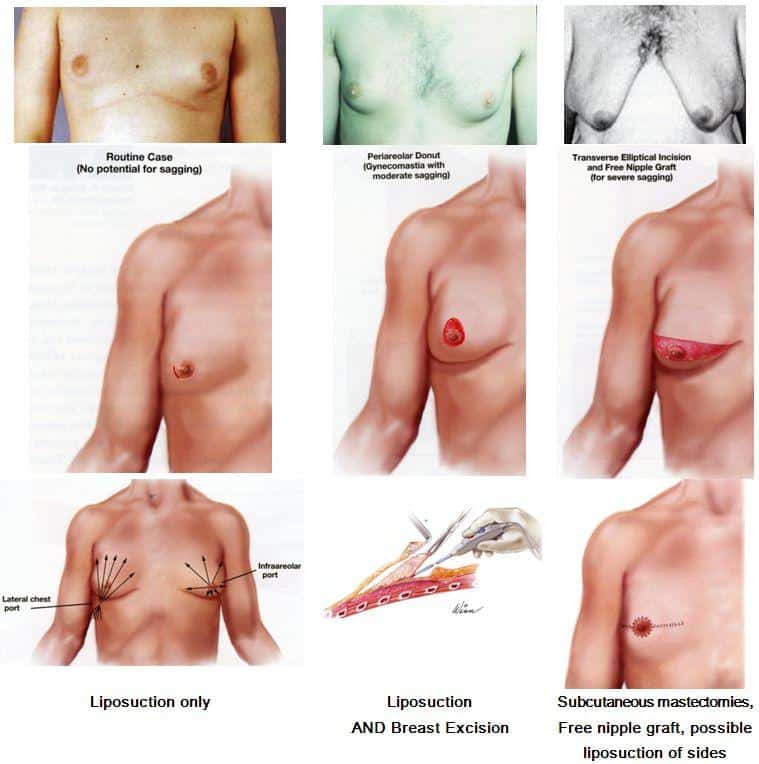
- Mild Cases: VASER Liposelection (ultrasound-assisted liposuction) removes fat through a small incision along the edge of the areola for refined, natural results.
- Moderate Cases: A combination of liposuction and surgical removal of dense glandular tissue beneath the nipple.
- Severe Cases: Removal of excess breast tissue and skin for men with larger or sagging chests. Though this may result in more visible scars, it provides a flatter, more balanced contour.
These outpatient procedures are performed under general anesthesia, offering safe and predictable outcomes.
Recovery and Results
After surgery, mild bruising, swelling, or tenderness is normal and can be managed with prescribed medication. Most swelling resolves within four weeks.
- A compression garment is worn continuously for two weeks, then at night for several more weeks.
- Many patients return to work in about one week.
- Strenuous exercise can typically resume in three to four weeks.
Risks are rare but may include infection, asymmetry, or minor changes in skin tone.
Frequently Asked Questions
The Cost of Gynecomastia Surgery
Gynecomastia correction is generally considered cosmetic and is not covered by insurance. At Cosmetic Surgery Specialists of Memphis, fees are highly competitive both locally and nationally. The cost varies depending on the extent of surgery and technique used, but financing and special offers are available to make treatment accessible.
Why Choose Cosmetic Surgery Specialists Of Memphis For Gynecomastia Surgery?
Dr. Peter Aldea and Dr. Patricia Eby are dedicated, board-certified plastic surgeons with decades of experience performing cosmetic and reconstructive procedures. Educated and trained at top medical institutions—including Columbia, Harvard, Stanford, Duke, and Georgetown—they combine technical excellence with an artistic approach to achieve exceptional results.
Recognized by U.S. News & World Report, Castle Connolly Medical Ltd., and Three Best Rated® as leading plastic surgeons, Drs. Aldea and Eby are known for their integrity, compassion, and commitment to patient satisfaction. Their practice emphasizes individualized care, privacy, and professionalism, helping each patient look and feel their best.
Regain Confidence With Gynecomastia Surgery in Memphis, TN
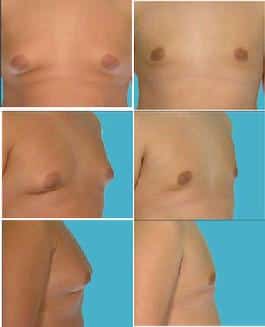
Gynecomastia surgery can have a profound impact on confidence and quality of life. With the skill and artistry of Dr. Aldea and Dr. Eby, patients achieve a flatter, firmer chest and renewed self-assurance.
To learn more about gynecomastia correction surgery and explore your options, contact Cosmetic Surgery Specialists of Memphis in Memphis, TN at (901) 752-1412 to schedule your consultation.